

Oil Mist Filter vs. Dust Filter
When selecting vacuum pump filters, it is essential to communicate the operating conditions and the types of contaminants with the manufacturer. For dust filtration, specifications usually include particle size in microns, allowing manufacturers to choose the appropriate material and design to achieve the desired filtration effect. However, oil mist behaves differently. Its particle size ranges widely, typically from 0.01 to 10 microns, and small droplets can easily coalesce into larger ones. Unlike solid dust particles, oil mist exists partly as vapor, making it impractical to evaluate filter performance solely based on micron size. Additionally, the physical properties of oil, such as viscosity and tendency to form mist under vacuum conditions, further complicate the assessment. Understanding these distinctions is crucial for selecting the most effective filter and avoiding common issues such as clogging or reduced pump efficiency.
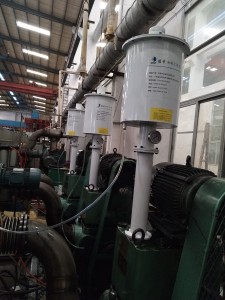
Oil Mist Filter Performance Measurement
Different industries have varying requirements foroil mist filter. While micron size can provide some guidance, it is only a secondary consideration. The primary goal of an oil mist filter is to reduce oil content in the exhaust air, ensuring cleaner emissions, protecting the working environment, and complying with local regulations. Manufacturers typically assess performance based on filtration efficiency, oil carryover reduction, or the residual oil concentration in the exhaust. In practical applications, this means that an oil mist filter must not only capture fine droplets but also maintain stable performance over long operational periods. For industries such as chemical manufacturing, electronics, or vacuum coating, consistent oil mist control is critical to avoid contamination of sensitive processes or equipment. Selecting a filter solely based on micron ratings may overlook these real-world performance factors.

Choosing the Most Suitable Oil Mist Filter
Different industries have varying requirements for oil mist filter. While micron size can provide some guidance, it is only a secondary consideration. The primary goal of an oil mist filter is to reduce oil content in the exhaust air, ensuring cleaner emissions, protecting the working environment, and complying with local regulations. Manufacturers typically assess performance based on filtration efficiency, oil carryover reduction, or the residual oil concentration in the exhaust. In practical applications, this means that an oil mist filter must not only capture fine droplets but also maintain stable performance over long operational periods. For industries such as chemical manufacturing, electronics, or vacuum coating, consistent oil mist control is critical to avoid contamination of sensitive processes or equipment. Selecting a filter solely based on micron ratings may overlook these real-world performance factors.
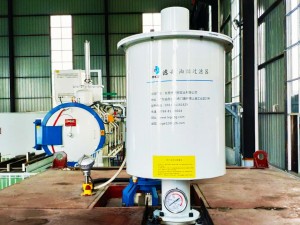
If you would like to learn more about selecting the right oil mist filter for your vacuum system or need a customized solution, please contact us. Our team of experts is ready to help you find the best filtration solution to meet your industrial needs.
Post time: Dec-19-2025


