

The gas-liquid separator is an important component in vacuum systems handling operating conditions where liquid contaminants are present. Its core function is to effectively separate and discharge moisture, oil mist, and other liquid substances carried in the gas stream before they enter the vacuum pump. This prevents liquid from reaching the pump chamber, avoiding component corrosion, lubrication failure, or seal damage, thereby ensuring stable pump operation and significantly reducing maintenance costs. However, during practical use, users may still encounter certain issues that require attention and proper maintenance measures.

Common Issue 1: Liquid Still Enters the Pump Despite an Installed Gas-liquid Separator
Some users report that even with a gas-liquid separator installed, liquid still manages to enter the vacuum pump, causing corrosion or performance degradation. This problem is typically related to two factors:
- Improper Installation: If the filter's orientation, port sealing, or drain location does not comply with specifications, separated liquid may not drain properly and could be re-entrained into the gas stream and drawn into the pump.
- Poor Filter Quality: Some low-cost or inferior products have design flaws, inadequate filter media, or poor manufacturing processes, resulting in insufficient separation efficiency and an inability to capture fine liquid droplets.
Recommendation: First, verify that the gas-liquid separator is installed according to the product manual, ensuring proper sealing and unobstructed drainage. If installation is correct but the problem persists, consider replacing the filter with a reliable product from a professional vacuum pump filter manufacturer to ensure separation performance and long-term stability.
Common Issue 2: Liquid Accumulation or Clogging After Extended Operation
Over time, gas-liquid separators may experience excessive liquid accumulation, media clogging, or debris buildup. This is often caused by high levels of particulates or viscous contaminants in the gas, or by a lack of regular cleaning and maintenance. Clogging not only reduces separation efficiency but can also increase system resistance, affecting the pump's pumping performance.
Recommendation: Establish a regular maintenance schedule that includes:
- Periodically draining accumulated liquid from the filter sump.
- Inspecting and cleaning the filter element or separation media.
- Defining a reasonable filter element replacement interval based on operating frequency and the severity of the conditions.
Proper maintenance can effectively reduce clogging issues, extend the service life of the gas-liquid separator, and ensure stable vacuum system operation.
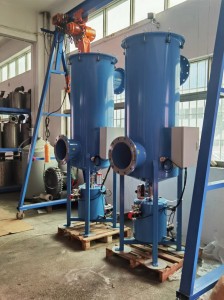
Common Issue 3: Improper Parameter Settings Reducing Separation Efficiency
Gas-liquid separators are designed for specific flow, pressure, and temperature ranges. If the vacuum pump's actual operating parameters do not match the filter's design specifications—for example, if the flow rate is too high (resulting in insufficient gas residence time) or pressure fluctuations exceed allowable limits—separation efficiency can be compromised, and the equipment may even fail to function properly.
Recommendation: Before purchasing and installing a gas-liquid separator, carefully review the product's technical specifications to ensure its capacity matches the pump's actual operating conditions. If process conditions change, evaluate whether the filter model or size needs to be adjusted accordingly.
Conclusion
The gas-liquid separator is a critical line of defense protecting the vacuum pump from liquid damage, but its effectiveness depends on correct selection, proper installation, and regular maintenance. When encountering issues such as liquid ingress, clogging, or reduced efficiency, users should systematically investigate potential causes, including installation quality, product quality, maintenance frequency, and parameter matching. Only through scientific selection, proper use, and routine maintenance can the protective function of the gas-liquid separator be fully realized, extending the vacuum pump's service life and reducing overall operating and maintenance costs.

Post time: Apr-09-2026


