

Among various types of vacuum pumps, oil-sealed vacuum pumps are widely used for their stable performance and high vacuum levels. Their unique operational principle relies on specialized pump oil for sealing, lubrication, and heat dissipation. Therefore, the cleanliness of the pump oil directly impacts the equipment’s operational efficiency, service life, and maintenance costs. Once contaminated, the oil can lead to reduced lubrication performance, seal failure, internal component corrosion, and even equipment breakdown. Thus, systematically preventing oil contamination is critical for ensuring the long-term stable operation of oil-sealed vacuum pumps.
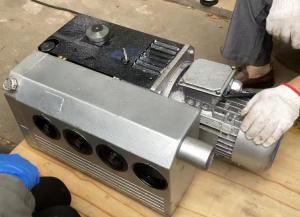
1. Main Sources of Vacuum Pump Oil Contamination
- External Contaminant Ingress: During operation, if the intake gas contains dust, metal particles, moisture, or chemical pollutants, these impurities can enter the pump chamber and mix with the oil. Moisture, in particular, can emulsify the oil, altering its viscosity, degrading its lubricating properties, and accelerating oxidation and corrosion within the oil circuit.
- Internal Degradation and Residues: Prolonged operation under high temperatures and pressure can cause the oil to oxidize or crack, forming sludge or carbon deposits. Additionally, wear particles from internal components or debris from aging seals can contaminate the oil.
- Human Operational Factors: Using non-compliant or mixed brands/grades of oil, or failing to thoroughly clean residual contaminants during oil changes, can introduce pollutants directly.

2. Systematic Preventive Measures of Vacuum Pump Oil Contamination
- Install High-Efficiency Inlet Filtration:
Equipping the pump inlet with inlet filters is the most direct method to block external contaminants. For dusty environments, select filter elements with appropriate precision and high dust-holding capacity. For moisture-laden gases, use gas-liquid separator. Regularly inspect and replace filter elements to ensure optimal performance.
- Standardize Oil Selection and Replacement Procedures:
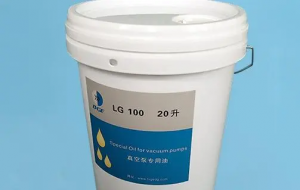
Strictly adhere to the manufacturer's specifications for vacuum pump oil type and grade. During oil changes, completely drain the old oil and flush the pump interior with the same-grade new oil or a dedicated cleaning agent to remove residual contaminants. Maintain oil change records and conduct periodic oil analysis (e.g., viscosity, water content, acidity).
- Control Operating Conditions and Environment:
Avoid prolonged operation at ultimate pressure to reduce oil overheating and cracking. In humid or dusty environments, consider installing pre-drying devices or environmental enclosures for the pump. Regularly inspect seals (e.g., shaft seals, pipe connections) to prevent air and contaminants from entering through leaks.
- Implement Condition Monitoring and Alerts:
Install oil condition sensors (e.g., humidity sensors, particle counters) or differential pressure alarms to monitor oil cleanliness and filter clogging in real time. This enables predictive maintenance and prevents contamination escalation.
- Establish a Systematic Maintenance Regime:
Develop standardized procedures for daily inspections, periodic oil changes, filter replacements, and internal cleaning. Provide professional training to operators to prevent contamination due to improper practices.
3. Conclusion of Vacuum Pump Oil Contamination
Preventing vacuum pump oil contamination requires a systematic approach involving source interception, process control, and regular maintenance. By implementing efficient inlet filtration, standardizing oil management, optimizing the operating environment, and incorporating smart monitoring with standardized maintenance, the service life of pump oil can be significantly extended. This reduces equipment failure rates and overall operational costs, ultimately ensuring the continuity and stability of production processes.
Post time: Feb-02-2026


