

Role of Filters in Preventing Vacuum Pump Overheating
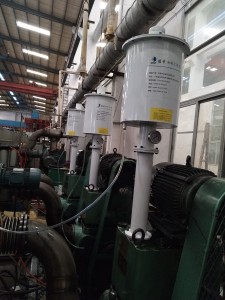
Vacuum pumps are precision equipment that require careful attention and protection during operation. One of the most effective measures to prevent overheating is the installation of both inlet and exhaust filters. These filters act as the first line of defense, preventing dust, debris, and other contaminants from entering the pump system. By keeping the internal components clean, filters help maintain stable performance, reduce wear, and significantly extend the equipment’s lifespan. Without proper filtration, even a small amount of contamination can compromise the efficiency of the pump, leading to heat accumulation over time.
Even with high-quality filters installed, overheating may still occur due to other factors, such as prolonged use of pump oil, high ambient temperatures, or improper installation. Therefore, regular inspection, cleaning, and timely replacement of filters are essential. Combining these preventive measures with a monitoring system allows operators to detect early signs of overheating and take corrective actions before severe damage occurs. Consistent maintenance practices not only prevent unexpected downtime but also reduce long-term operational costs, ensuring that the pump continues to perform reliably under various conditions.
Causes of Vacuum Pump Overheating and How to Identify Them
Overheating is a common problem encountered by vacuum pump users worldwide. Normally, heat generated by the pump is dissipated through the cooling system, filters, or cooling oil. When the pump temperature rises abnormally, it is important to first inspect the filters and the condition of the pump oil. Filters that have been used for too long may become clogged, restricting airflow and preventing proper heat dissipation. Similarly, pump oil that is old or contaminated may become emulsified, cloudy, or lose its lubricating properties, leading to increased friction and higher operating temperatures.
Regular maintenance of these components is crucial to avoid overheating. In addition, understanding the normal operating temperature of the pump and monitoring it in real-time can help identify early warning signs. By implementing a preventive maintenance schedule, including periodic filter replacement and oil checks, operators can reduce the risk of overheating, extend the pump’s service life, and ensure stable vacuum performance. Proper maintenance is especially critical in industrial applications where continuous operation is required, and even a minor temperature increase can impact system efficiency and safety.

Internal Faults and Professional Solutions for Vacuum Pump Overheating
If both the filters and pump oil are in good condition but the vacuum pump continues to overheat, internal mechanical faults should be investigated. Issues such as damaged bearings, misaligned rotors, or worn internal components can increase friction and generate excessive heat. Operating the pump under these conditions can accelerate wear and may result in serious damage or even total pump failure. Therefore, it is essential to identify and resolve such faults promptly.

Lvge, with over ten years of experience in the vacuum pump industry, specializes in designing and manufacturing a wide range of vacuum pump filters. We focus on providing tailored filtration solutions for different applications, helping users prevent overheating and maintain stable operation. High-quality filters combined with a consistent maintenance schedule allow vacuum pumps to operate efficiently, reduce unexpected repairs, and extend overall equipment lifespan. By choosing professional filtration solutions and implementing proper monitoring, users can achieve reliable, long-term performance and avoid costly downtime. At Lvge, we are committed to designing and delivering vacuum pump filters that protect your equipment and ensure operational efficiency every day.
Post time: Mar-31-2026


