

Clogged Filter Elements Lead to Smoke
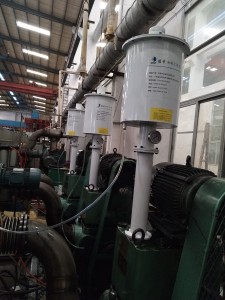
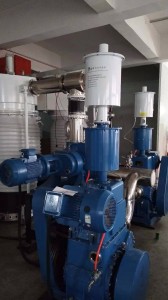
Oil-sealed vacuum pumps are widely used in industrial and research applications because they provide reliable vacuum performance while using pump oil for lubrication and sealing. During operation, a small portion of the pump oil vaporizes and exits as oil mist through the exhaust. Oil mist filters are installed to capture these particles, prevent workplace contamination, and meet environmental regulations.
However, over time, the filter element accumulates oil and dust, gradually reducing airflow. As the resistance builds up, pressure inside the system increases, forcing oil mist through the filter and resulting in visible smoke. In some cases, oil can even leak from the exhaust, which may damage nearby equipment or affect working conditions. Low-quality or incompatible filter elements exacerbate the problem, as they fail to trap fine particles efficiently. Regular inspection, cleaning (if applicable), and timely replacement of filter elements are essential to ensure smooth operation, maintain vacuum efficiency, and prevent prolonged smoke emissions.

Contaminated or Aged Pump Oil Produces Excess Mist
The quality and condition of pump oil play a major role in oil mist formation. Over time, oil can degrade due to prolonged use, exposure to heat, or contamination with dust, moisture, or process residues. Degraded oil loses viscosity and separation efficiency, producing larger volumes of oil mist. Even high-quality filters may struggle to capture this increased mist, leading to continuous smoke emissions.
Maintaining clean, high-quality pump oil and adhering to a scheduled oil replacement plan is crucial. Regular monitoring of oil condition allows early detection of contamination or degradation, preventing system performance issues. Clean pump oil not only reduces smoke but also protects internal components from wear, corrosion, and premature failure. For critical applications, some operators use oil filtration or conditioning systems to extend oil life and maintain vacuum performance, further reducing smoke risks.
Leaks and Poor Sealing Cause Oil Mist Escape
Even when the filter and pump oil are in optimal condition, improper sealing can result in visible smoke. Poor installation, worn seals, loose connections, or damaged gaskets create leakage paths for oil mist. In such cases, smoke may appear even if the filter is functioning correctly, leading operators to mistakenly assume a filter failure.
To prevent mist leakage, ensure proper installation of all components and maintain seals in good condition. Regularly inspect joints, fittings, and pipeline connections, and replace any worn or damaged parts. Combined with high-quality filters and clean oil, proper sealing ensures oil mist is effectively captured, minimizes environmental impact, and maintains reliable pump operation. Following these preventive practices extends the life of both the pump and the filter system, improves workplace safety, and reduces downtime caused by smoke-related issues.
Additional Tips for Preventing Oil Mist Smoke
Beyond addressing filter clogging, oil quality, and sealing, several additional practices help prevent smoke:
- Use filters designed specifically for your pump model and operating conditions.
- Maintain proper vacuum levels to avoid excessive oil vaporization.
- Avoid mixing different oil brands or grades, which can reduce separation efficiency.
- Keep the exhaust and surrounding area clean to detect leaks early.
By systematically managing filter condition, pump oil, sealing, and operational practices, operators can effectively prevent oil mist smoke, maintain high system efficiency, and extend the service life of their vacuum equipment.
Post time: Dec-16-2025


