

Vacuum pumps are critical components in industries ranging from electronics manufacturing and pharmaceuticals to food packaging and scientific research. Among the most recognized brands in the vacuum technology sector, Leybold vacuum pumps are widely respected for their reliability, efficiency, and engineering excellence.
However, even the most advanced vacuum pump cannot maintain optimal performance without proper filtration. Over time, filters become saturated with contaminants, reducing system efficiency and increasing operational risks. This makes selecting the right replacement filter one of the most important maintenance decisions for facility managers, maintenance engineers, and procurement teams.
This guide explores how to choose the best replacement filters for Leybold vacuum pumps, the key performance factors to consider, and how proper filtration contributes to improved equipment lifespan, lower operating costs, and greater system reliability.
Why Replacement Filters Matter More Than Many Operators Realize
Many vacuum pump failures can be traced back to inadequate filtration.
Contaminants entering or circulating within a vacuum system can cause:
● Reduced vacuum efficiency
● Increased operating temperatures
● Premature component wear
● Higher energy consumption
● Unexpected maintenance costs
While filters are relatively small components compared to the pump itself, their impact on overall system performance is significant.
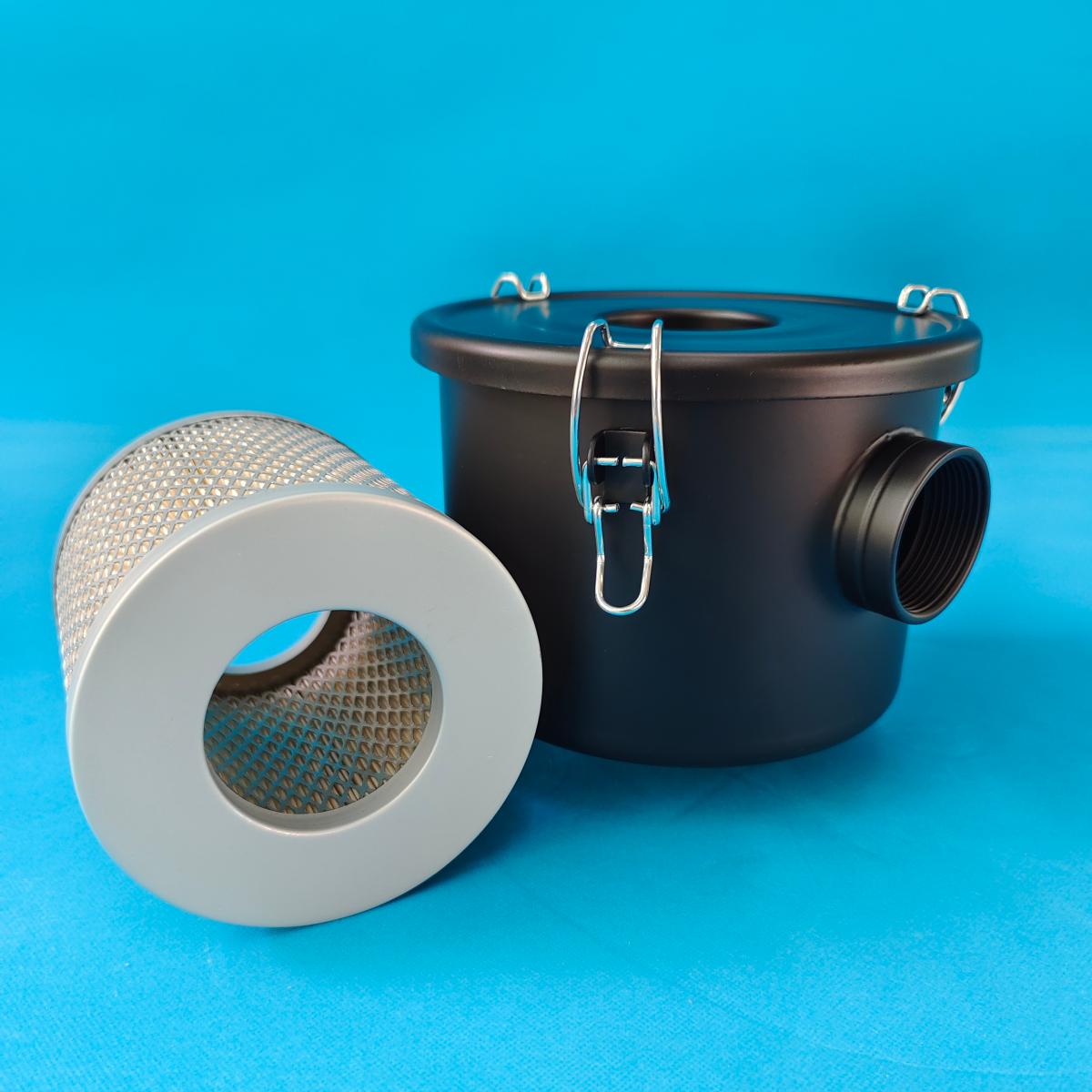
The Hidden Cost of Poor Filtration
Using low-quality or incompatible replacement filters often results in:
● More frequent maintenance
● Increased oil contamination
● Reduced vacuum levels
● Shorter equipment life
In high-production environments, even minor performance losses can create substantial financial consequences.
Why OEM-Equivalent Quality Is Essential
The best replacement filters should match or exceed original equipment specifications.
High-quality replacement filters provide:
● Stable airflow
● Consistent filtration efficiency
● Proper sealing performance
● Reliable contaminant removal
The goal is not simply replacing a filter but maintaining the vacuum pump’s designed performance.
Understanding the Different Types of Leybold Vacuum Pump Filters
Different filter types perform different functions within a vacuum system.
Selecting the correct replacement component begins with understanding these categories.
Inlet Filters
Inlet filters protect the vacuum pump from contaminants entering through the intake side.
Their primary functions include:
● Dust removal
● Particle filtration
● Protection of internal pump components
Applications with high airborne contamination levels rely heavily on effective inlet filtration.
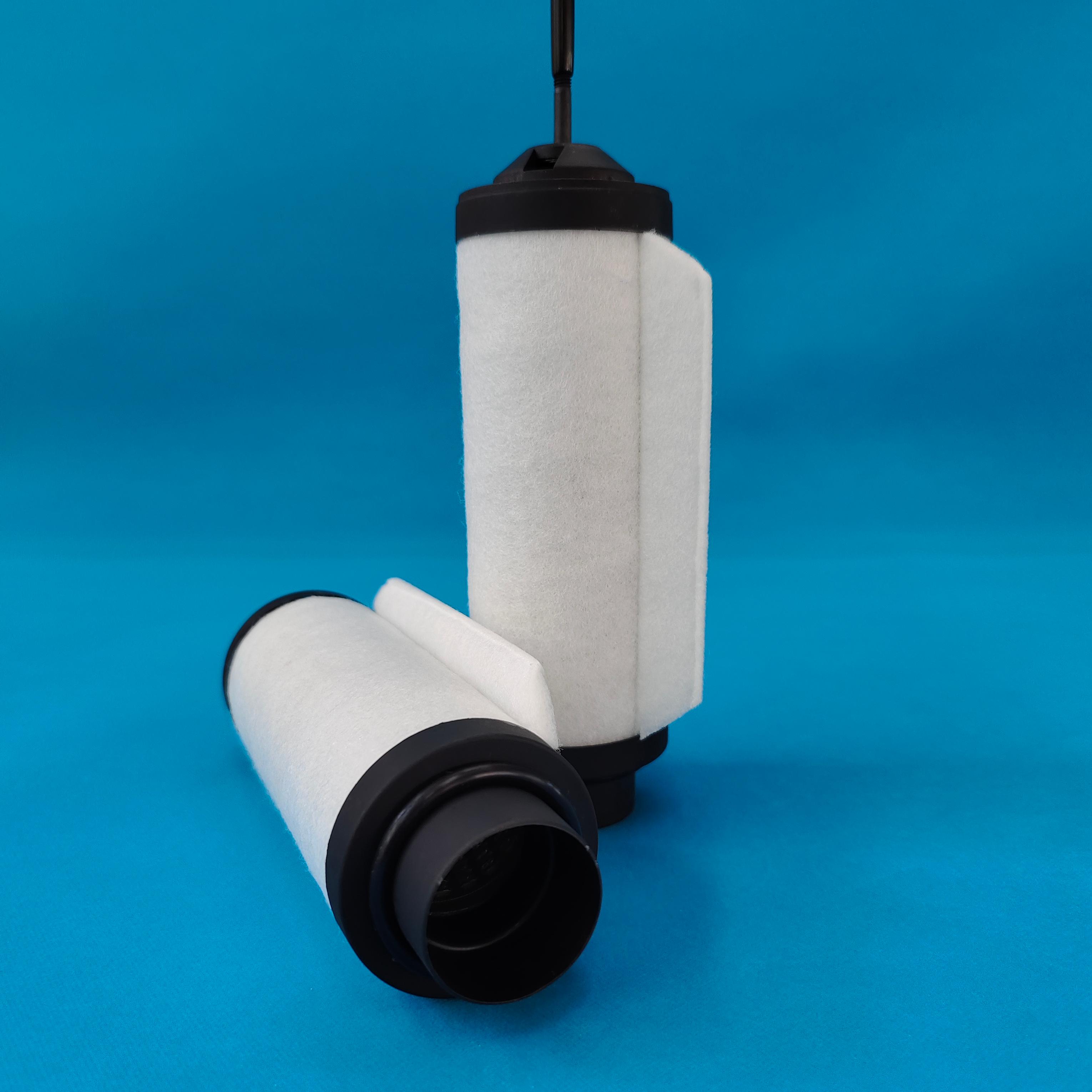
Oil Mist Separators
Oil-sealed vacuum pumps generate oil mist during operation.
Oil mist separators help:
● Capture oil aerosols
● Reduce emissions
● Recover valuable vacuum oil
● Improve environmental compliance
These filters are among the most frequently replaced components in rotary vane vacuum pumps.
Key Performance Indicators When Comparing Replacement Filters
Not all replacement filters deliver the same results.
Understanding performance indicators allows buyers to make informed decisions.
Filtration Efficiency
The intake filter must achieve a filtration efficiency of 95%–99% for impurities under specific operating conditions. The oil mist filter element must ensure that the residual oil molecules in the filtered exhaust gas are minimized.
Pressure Drop Characteristics
Pressure drop directly affects vacuum pump performance.
An optimized filter should provide:
● Efficient contaminant capture
● Minimal airflow restriction
● Stable vacuum performance
Excessive pressure drop can increase energy consumption and reduce operational efficiency.
Dirt Holding Capacity
Filters with greater dirt holding capacity typically offer:
● Longer service intervals
● Reduced maintenance frequency
● Lower operating costs
This factor becomes especially important in demanding industrial environments.
Structural Integrity
High-quality replacement filters should withstand:
● Continuous operation
● Temperature fluctuations
● Pressure changes
● Vibration
Durable construction contributes significantly to long-term reliability.
A Practical Framework for Selecting the Best Replacement Filter
Choosing the right filter involves more than matching a part number.
Several operational factors should be evaluated.
Identifying the Vacuum Pump Model
The first step is confirming:
● Pump series
● Model number
● Operating specifications
Even within the Leybold product range, filtration requirements may vary significantly.
Understanding the Application Environment
Environmental conditions directly influence filter selection.
Common factors include:
● Dust levels
● Humidity
● Chemical exposure
● Continuous versus intermittent operation
Applications with harsh conditions often require more robust filtration solutions.
Evaluating Filtration Requirements
The contamination profile should guide filtration specifications.
Questions include:
● What contaminants are present?
● How small are the particles?
● Is oil mist generation significant?
Accurate analysis helps prevent under-specification or unnecessary overspending.
Considering Maintenance Objectives
Different facilities prioritize different outcomes.
Some prioritize:
● Maximum equipment protection
Others focus on:
● Reduced maintenance costs
● Longer replacement intervals
● Operational simplicity
Filter selection should align with these priorities.
Industry Demand Snapshot
The vacuum filtration market continues to evolve as industries demand greater efficiency and reliability.
Factors Influencing Replacement Filter Purchasing Decisions
|
Selection Factor |
Importance |
|
Filtration Efficiency |
31% |
|
Service Life |
24% |
|
Compatibility |
18% |
|
Pressure Drop Performance |
15% |
|
Cost Efficiency |
12% |
These figures demonstrate that buyers increasingly prioritize long-term performance over initial purchase price.
Industry Applications That Depend on Reliable Leybold Filter Replacement
Electronics Manufacturing
Vacuum technology plays a critical role in:
● Semiconductor production
● Display manufacturing
● Electronic component assembly
Contamination control is essential for maintaining product quality.
Pharmaceutical Production
Pharmaceutical facilities require:
● Reliable vacuum performance
● Clean operating environments
● Consistent process control
High-quality filtration supports regulatory compliance and production efficiency.
Food Packaging
Vacuum pumps are widely used in food preservation systems.
Proper filtration helps maintain:
● Product quality
● Equipment cleanliness
● Operational reliability
Scientific Research
Laboratories often rely on vacuum systems for sensitive experiments.
Stable filtration contributes to:
● Accurate results
● Equipment protection
● Reduced downtime
Why More Companies Are Choosing OEM-Equivalent Replacement Filters
Many industrial operators are moving beyond traditional OEM sourcing models.
Modern OEM-equivalent replacement filters can provide:
● Comparable performance
● Improved availability
● Faster delivery
● Competitive pricing
The key is selecting a manufacturer with strong engineering expertise, strict quality control, and extensive vacuum filtration experience.
Specialized vacuum filtration manufacturers such as LVGE Filters provide replacement solutions designed to match leading vacuum pump brands while supporting custom filtration requirements across diverse industries.
Future Trends in Vacuum Pump Filtration
Several trends are shaping the next generation of replacement filters.
Emerging Development Priorities
|
Industry Trend |
Impact Level |
|
Higher Filtration Efficiency |
High |
|
Longer Service Life |
High |
|
Lower Energy Consumption |
High |
|
Smart Maintenance Monitoring |
Medium |
|
Sustainable Filter Materials |
Medium |
|
Custom OEM Solutions |
High |
These developments will continue driving innovation within the vacuum filtration industry.
Conclusion
Selecting the best replacement filter for a Leybold vacuum pump involves more than finding a compatible part number. Filtration efficiency, pressure drop performance, service life, structural durability, and application-specific requirements all influence long-term equipment performance.
A well-designed replacement filter helps maintain vacuum stability, reduce maintenance costs, extend equipment lifespan, and improve operational reliability. By understanding filtration requirements and working with experienced filtration specialists, companies can achieve better performance while optimizing total ownership costs.
As industrial processes become increasingly demanding, high-quality replacement filtration will remain a critical component of successful vacuum system management.
FAQ
How do I identify the correct replacement filter for my Leybold vacuum pump?
Check the pump model, operating specifications, and existing filter part number. Compatibility should always be verified before purchasing.
How often should Leybold vacuum pump filters be replaced?
Replacement intervals depend on operating conditions, contamination levels, and filter type. Regular inspections are recommended to determine optimal service schedules.
Can aftermarket replacement filters perform as well as OEM filters?
Yes. High-quality OEM-equivalent filters can provide comparable or even superior performance when manufactured according to strict engineering standards.
What happens if a vacuum pump filter becomes clogged?
A clogged filter can increase pressure drop, reduce vacuum efficiency, raise operating temperatures, and potentially damage internal pump components.
Which industries rely most heavily on vacuum pump filtration?
Electronics manufacturing, pharmaceuticals, food packaging, scientific research, chemical processing, and industrial manufacturing all depend heavily on effective vacuum filtration.
Can replacement filters be customized?
Yes. Many manufacturers offer customized filtration solutions based on application requirements, operating environments, and performance targets.
Post time: Jun-10-2026


