

Leybold vacuum pumps are trusted worldwide in industries such as semiconductor manufacturing, pharmaceutical production, food packaging, scientific laboratories, and industrial automation. Their reputation for reliability is well established, but even the most advanced vacuum pump can experience performance degradation when filtration components are neglected.
Many companies focus on pump maintenance schedules while overlooking one of the most critical wear components—the filter system. Inlet filters, exhaust filters, and oil mist separators operate continuously to protect the vacuum pump from contamination. Over time, these filters become saturated, causing increased pressure drop, reduced efficiency, and higher operating costs.
A strategic filter replacement program does more than protect equipment. It directly influences energy consumption, maintenance frequency, production stability, and overall equipment lifespan.
This guide explores the importance of Leybold vacuum pump filter replacement and how businesses can develop a smarter maintenance strategy.
Why Filter Replacement Has a Bigger Impact Than Most Operators Expect
Many maintenance teams view filters as inexpensive consumables.
However, filtration performance directly affects:
● Vacuum stability
● Pump efficiency
● Oil cleanliness
● Equipment reliability
● Production output
When a filter becomes overloaded, the vacuum pump must work harder to achieve the same performance level.
The result is often:
● Higher electricity consumption
● Increased operating temperatures
● Faster component wear
● More frequent oil replacement
In large industrial facilities, these hidden costs can quickly exceed the cost of the replacement filter itself.
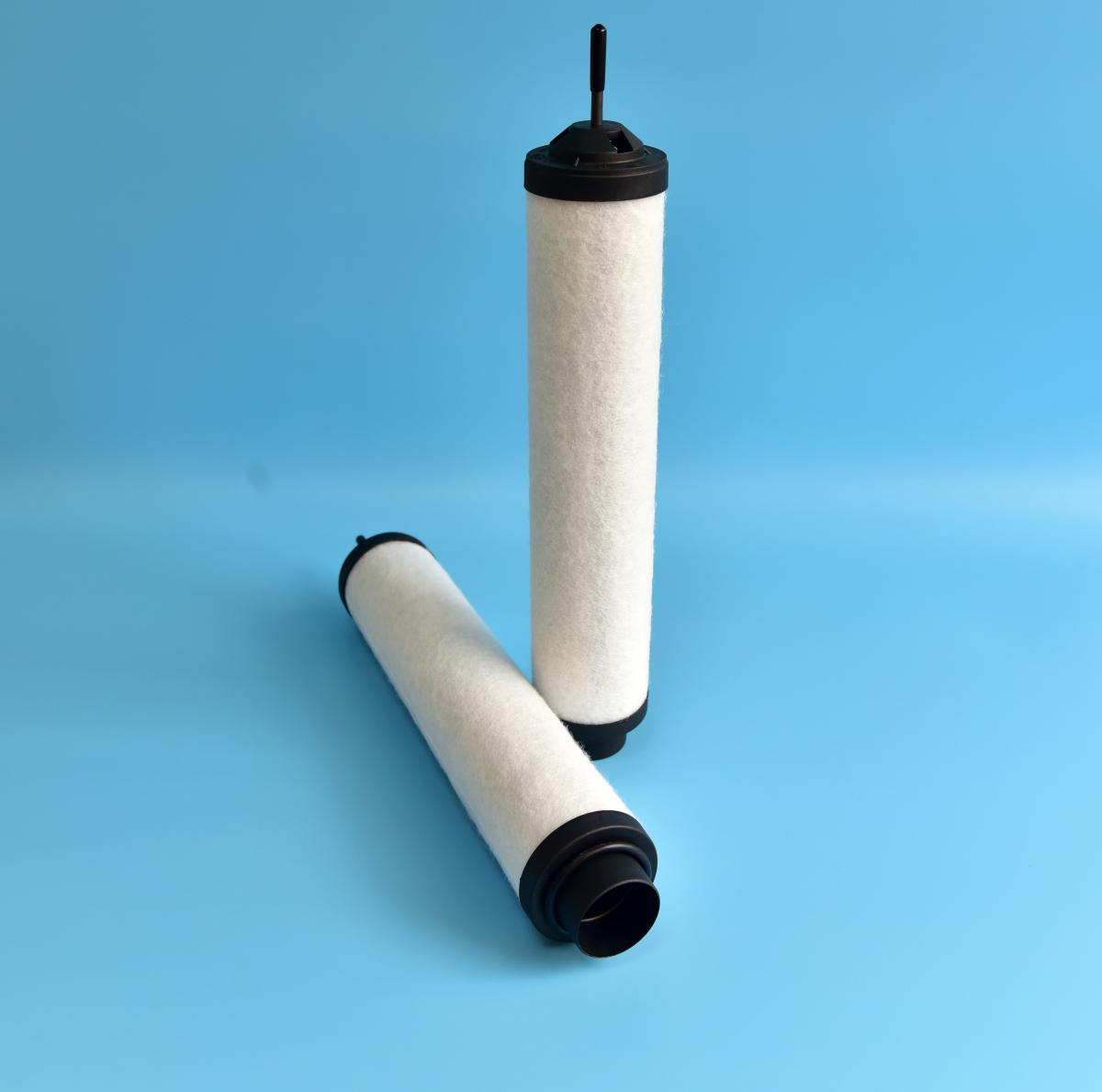
The True Cost of Delayed Replacement
The financial impact extends beyond maintenance expenses.
Delayed replacement may lead to:
● Production interruptions
● Reduced product quality
● Emergency maintenance
● Unplanned downtime
For industries that operate continuously, even a few hours of downtime can create significant losses.
Understanding the Three Primary Filters in a Leybold Vacuum Pump System
Different filters perform different protective functions.
Understanding their role helps establish an effective maintenance strategy.
Inlet Filters
Installed on the intake side of the pump.
Purpose:
● Block external contaminants
● Prevent dust ingestion
● Protect internal pump components
Without proper inlet filtration, abrasive particles can damage rotors, vanes, and seals.
Oil Mist Separators
Oil mist separators capture oil aerosols generated during operation.
Their functions include:
● Recovering vacuum oil
● Reducing emissions
● Improving environmental compliance
This filter typically experiences the highest replacement frequency.
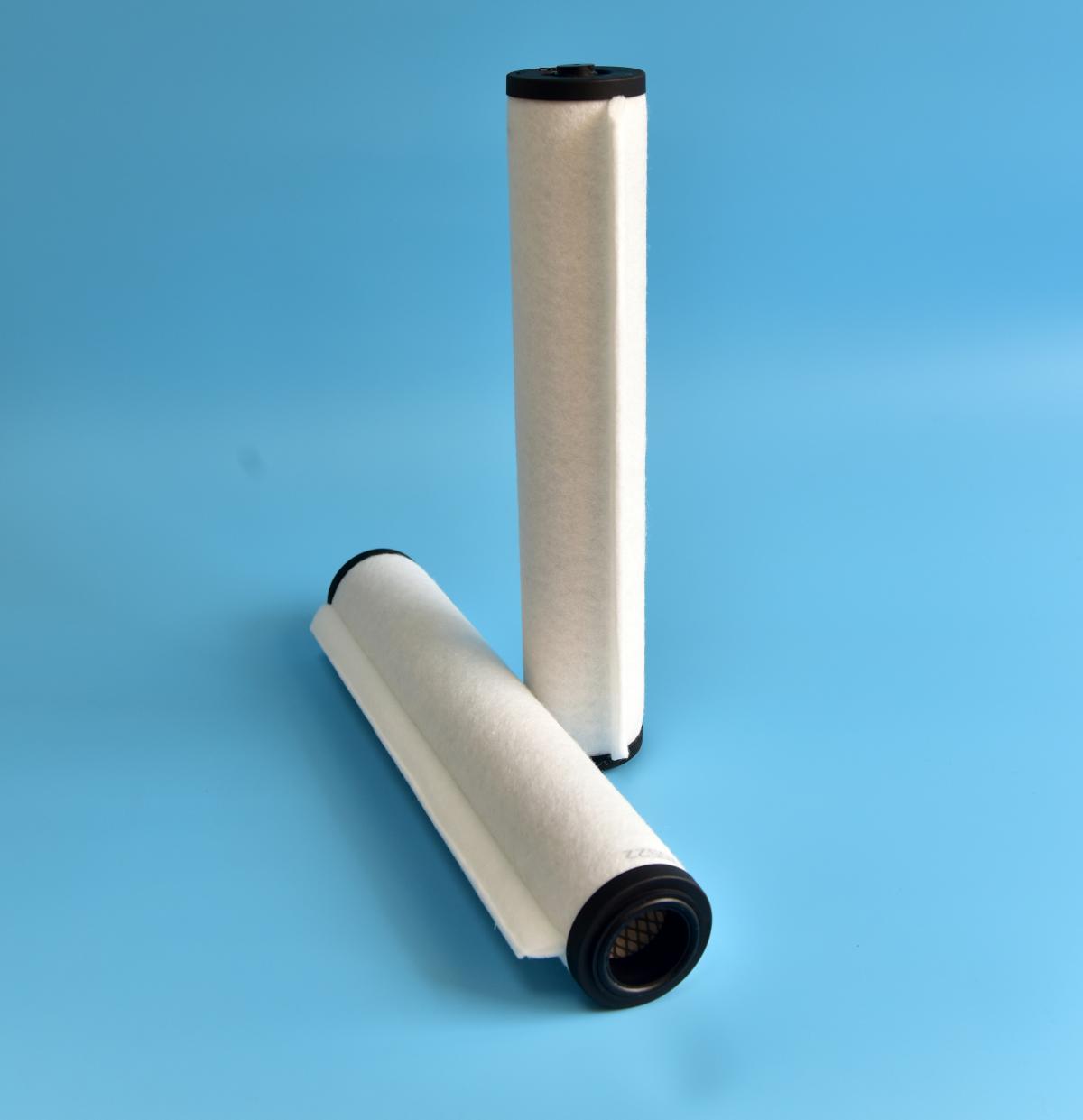
When Should Leybold Vacuum Pump Filters Be Replaced?
Replacement intervals vary depending on operating conditions.
However, several warning signs indicate replacement may be necessary.
Declining Vacuum Performance
A noticeable drop in vacuum levels often indicates increasing airflow restriction.
Common symptoms include:
● Longer evacuation cycles
● Reduced process efficiency
● Difficulty achieving target vacuum levels
Increased Energy Consumption
A restricted filter forces the motor to work harder.
Facilities may observe:
● Rising energy costs
● Increased heat generation
● Higher system loads
Excessive Oil Consumption
Oil mist separator failure can cause:
● Visible oil discharge
● Frequent oil top-offs
● Contaminated exhaust systems
These symptoms should never be ignored.
A Structured Replacement Strategy for Maximum Equipment Reliability
Rather than replacing filters only after problems appear, leading facilities use a proactive replacement strategy.
Stage 1 – Monitor Performance Indicators
Track:
● Vacuum level stability
● Operating temperature
● Energy consumption
● Oil condition
These metrics often reveal filter issues before failure occurs.
Stage 2 – Inspect Filters During Scheduled Maintenance
Routine inspections help identify:
● Blockage
● Damage
● Saturation
before operational performance declines.
Stage 3 – Evaluate Replacement Quality
Not all replacement filters deliver the same results.
Important evaluation criteria include:
● Filtration efficiency
● Structural durability
● Pressure drop stability
● Oil separation performance
Stage 4 – Implement Preventive Replacement Cycles
Replacing filters based on operating hours often produces better results than waiting for visible performance decline.
Stage 5 – Review Long-Term Maintenance Data
Maintenance records help optimize future replacement schedules and reduce unnecessary downtime.
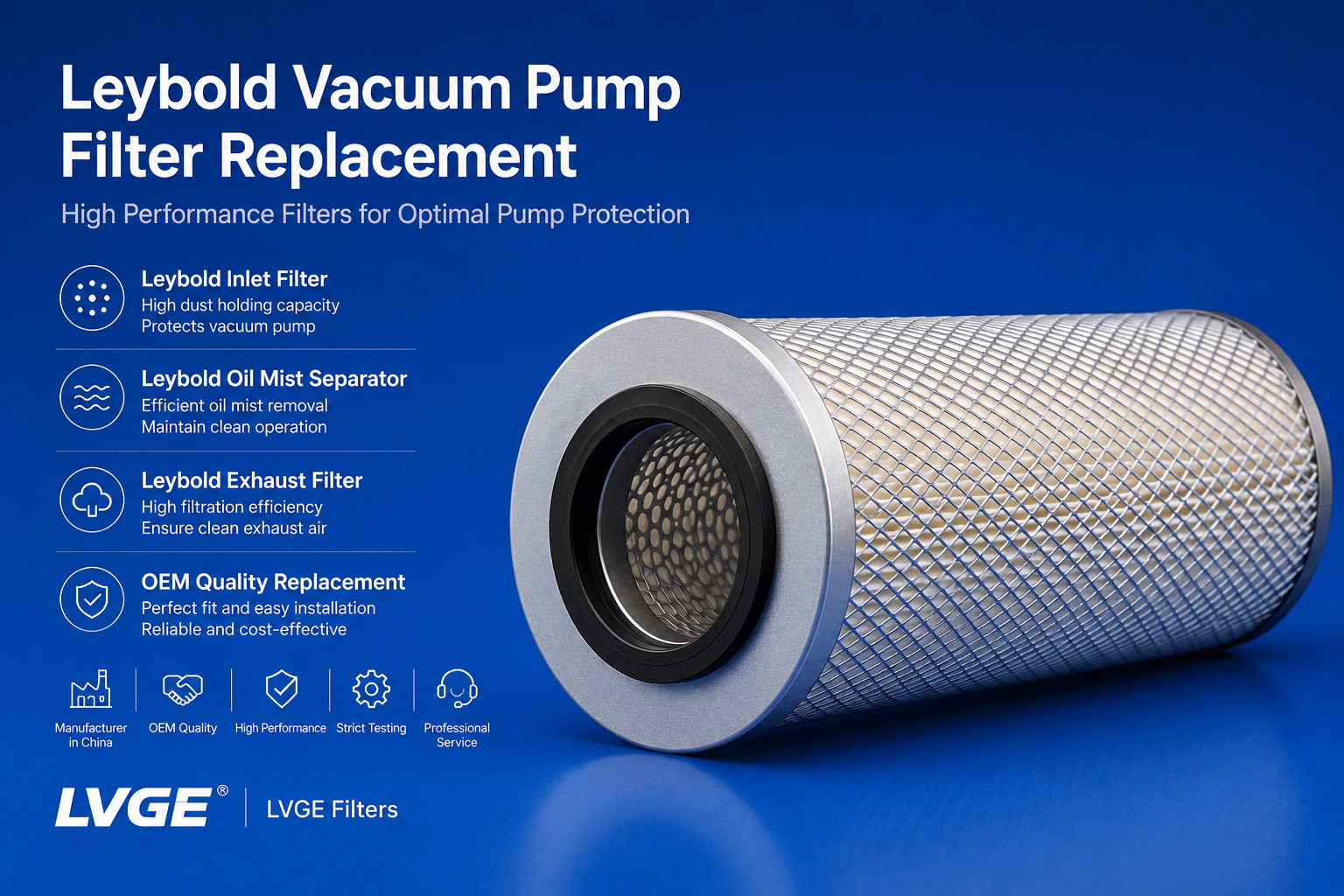
Industry Statistics Behind Vacuum Pump Maintenance Decisions
Data Analysis: Main Reasons Companies Replace Vacuum Pump Filters
|
Replacement Driver |
Percentage |
|
Filtration Efficiency Loss |
32% |
|
Increased Energy Consumption |
24% |
|
Excessive Oil Carryover |
18% |
|
Pressure Drop Issues |
14% |
|
Scheduled Maintenance Cycle |
12% |
The data indicates that filtration performance degradation remains the primary reason for filter replacement. As contaminants accumulate inside the filter media, airflow restriction increases, directly affecting vacuum efficiency and operating costs. This is why leading manufacturers recommend monitoring filtration performance rather than waiting for visible system failures.
Data Analysis: Operational Improvements After Timely Filter Replacement
|
Reported Benefit |
Percentage |
|
Improved Vacuum Performance |
35% |
|
Reduced Maintenance Costs |
25% |
|
Lower Energy Consumption |
20% |
|
Longer Pump Lifespan |
12% |
|
Improved Production Stability |
8% |
The results clearly show that maintaining a proactive replacement schedule delivers measurable operational advantages. Improved vacuum stability and lower maintenance costs account for the majority of the benefits reported by industrial users, demonstrating that filter replacement should be viewed as a performance optimization strategy rather than a simple maintenance task.
OEM vs High-Quality Replacement Filters
Many industrial users today choose high-quality OEM-equivalent filters.
Reasons include:
● Competitive pricing
● Faster delivery
● Comparable performance
● Flexible customization
The key factor is selecting a manufacturer with proven expertise in vacuum filtration technology.
Professional filtration manufacturers such as LVGE Filters develop replacement solutions designed to meet the performance requirements of major vacuum pump brands while providing application-specific customization options.
Future Trends in Vacuum Pump Filter Replacement
|
Development Priority |
Industry Focus |
|
Longer Filter Lifespan |
30% |
|
Higher Filtration Efficiency |
27% |
|
Lower Energy Consumption |
20% |
|
Predictive Maintenance |
13% |
|
Sustainable Materials |
10% |
As maintenance strategies evolve, filtration systems will play an increasingly important role in reducing total operating costs.
Conclusion
Leybold vacuum pump filter replacement is not simply a maintenance task. It is a strategic activity that directly affects vacuum performance, energy efficiency, equipment lifespan, and production reliability.
Facilities that implement structured replacement programs, monitor performance indicators, and use high-quality replacement filters consistently achieve lower maintenance costs and higher operational stability.
As industrial processes become more demanding, proactive filter management will continue to be one of the most effective ways to maximize vacuum pump performance and protect valuable equipment investments.
FAQ
How often should Leybold vacuum pump filters be replaced?
Replacement intervals depend on operating conditions, contamination levels, and filter type. Many facilities combine operating-hour schedules with performance monitoring.
What happens if filters are not replaced on time?
Delayed replacement can lead to reduced vacuum performance, higher energy consumption, oil contamination, increased wear, and unexpected downtime.
Are OEM-equivalent replacement filters reliable?
Yes. High-quality OEM-equivalent filters can provide comparable performance when manufactured according to strict engineering and quality standards.
Which filter usually requires the most frequent replacement?
Oil mist separators are typically replaced more frequently because they continuously capture oil aerosols during operation.
How can I tell if my vacuum pump filter is clogged?
Common indicators include declining vacuum levels, rising operating temperatures, increased energy consumption, and excessive oil discharge.
Can replacement filters be customized?
Yes. Many professional manufacturers provide customized dimensions, filter media, filtration efficiency ratings, and housing configurations.
Post time: Jun-14-2026


