

Vacuum pumps are essential components in a wide range of industries, including manufacturing, electronics, medical technology, food processing, packaging, chemical production, and laboratory research. While much attention is often given to the vacuum pump itself, the performance and lifespan of the entire system can be significantly affected by one critical component—the vacuum pump inlet filter.
An inlet filter serves as the first line of defense against contaminants entering the vacuum system. Dust, particles, moisture, and airborne contaminants can cause wear, reduce efficiency, increase maintenance costs, and even lead to premature pump failure. Selecting the right vacuum pump inlet filter is therefore not simply a maintenance decision; it is a strategic investment in system reliability and operational efficiency.
This guide explores the key factors that influence inlet filter selection and provides practical insights for engineers, maintenance professionals, and purchasing managers seeking the best filtration solution for their vacuum applications.
Understanding the Role of Vacuum Pump Inlet Filters
Before selecting an inlet filter, it is important to understand its function within a vacuum system.
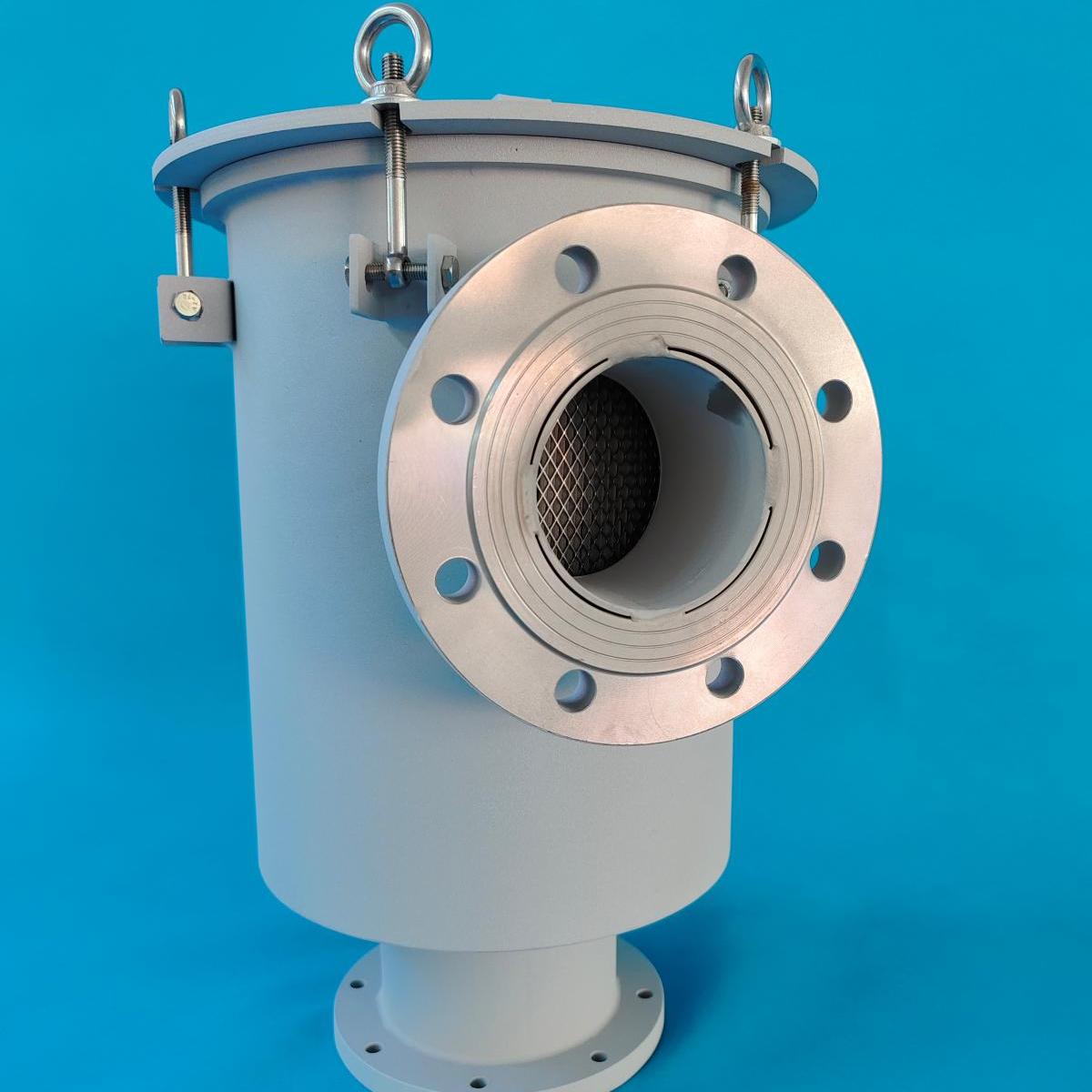
What Is a Vacuum Pump Inlet Filter?
A vacuum pump inlet filter is installed on the intake side of a vacuum pump. Its primary purpose is to prevent contaminants from entering the pumping chamber.
These contaminants may include:
● Dust particles
● Powder residues
● Metal debris
● Fibers
● Moisture droplets
● Airborne pollutants
Without adequate filtration, these materials can damage internal components and reduce pump efficiency.
Why Filtration Matters
Contaminated air entering a vacuum pump can result in:
● Increased wear on internal components
● Reduced vacuum performance
● Higher maintenance costs
● Shortened equipment lifespan
● Unexpected downtime
In industries where uptime and reliability are critical, effective inlet filtration becomes an essential part of equipment protection.
Common Types of Vacuum Pump Inlet Filters
Different applications require different filtration technologies.
Understanding available filter types helps ensure the most suitable selection.
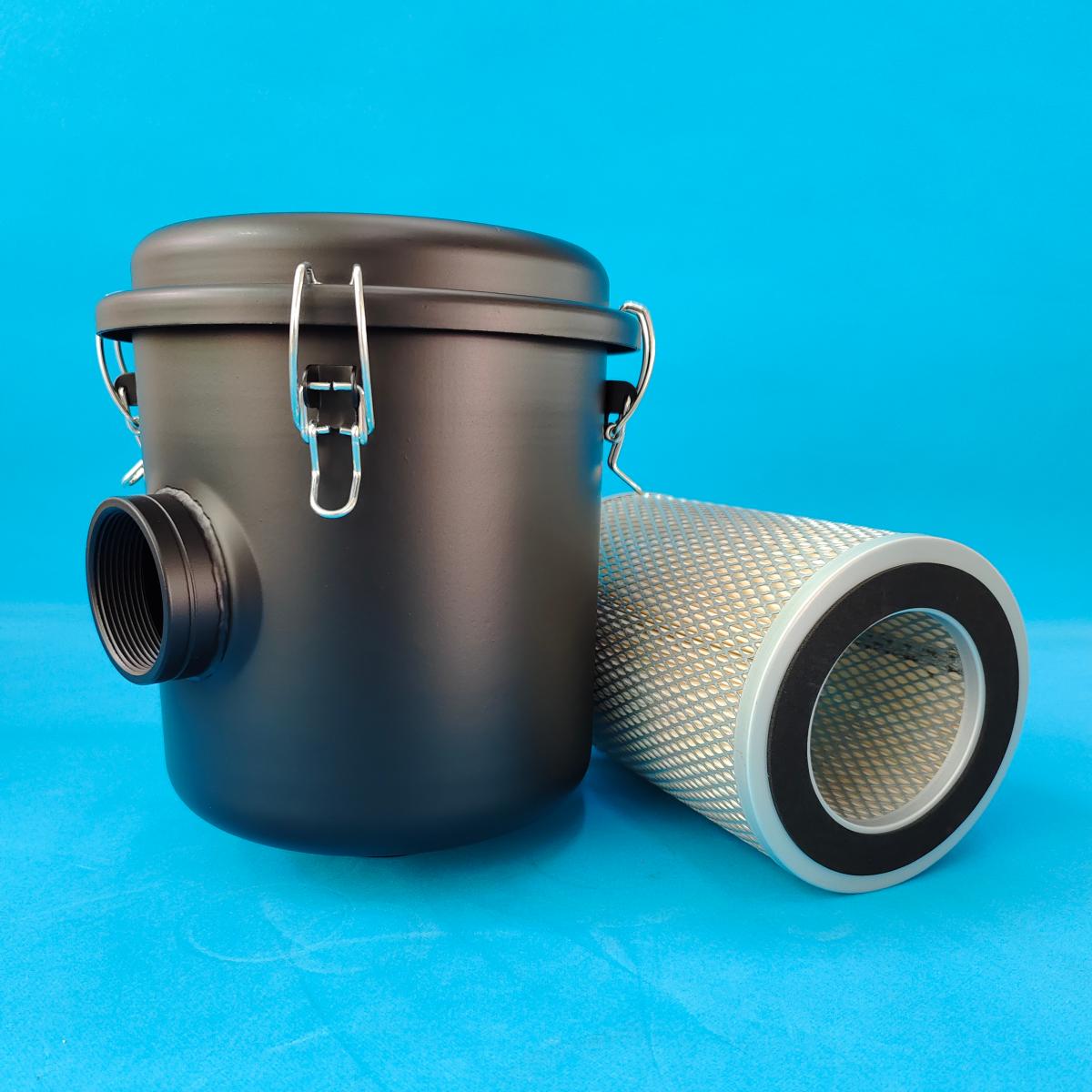
Paper Element Filters
Paper filter elements are widely used in general industrial applications.
Advantages include:
● Cost-effective solution
● Good filtration efficiency
● Easy replacement
● Suitable for dry environments
These filters are often selected for standard industrial processes with moderate contamination levels.
Polyester and Synthetic Fiber Filters
Synthetic filter media provide improved durability and higher filtration performance.
Benefits include:
● Better dust holding capacity
● Moisture resistance
● Longer service life
● Consistent airflow performance
These filters are increasingly used in demanding industrial environments.
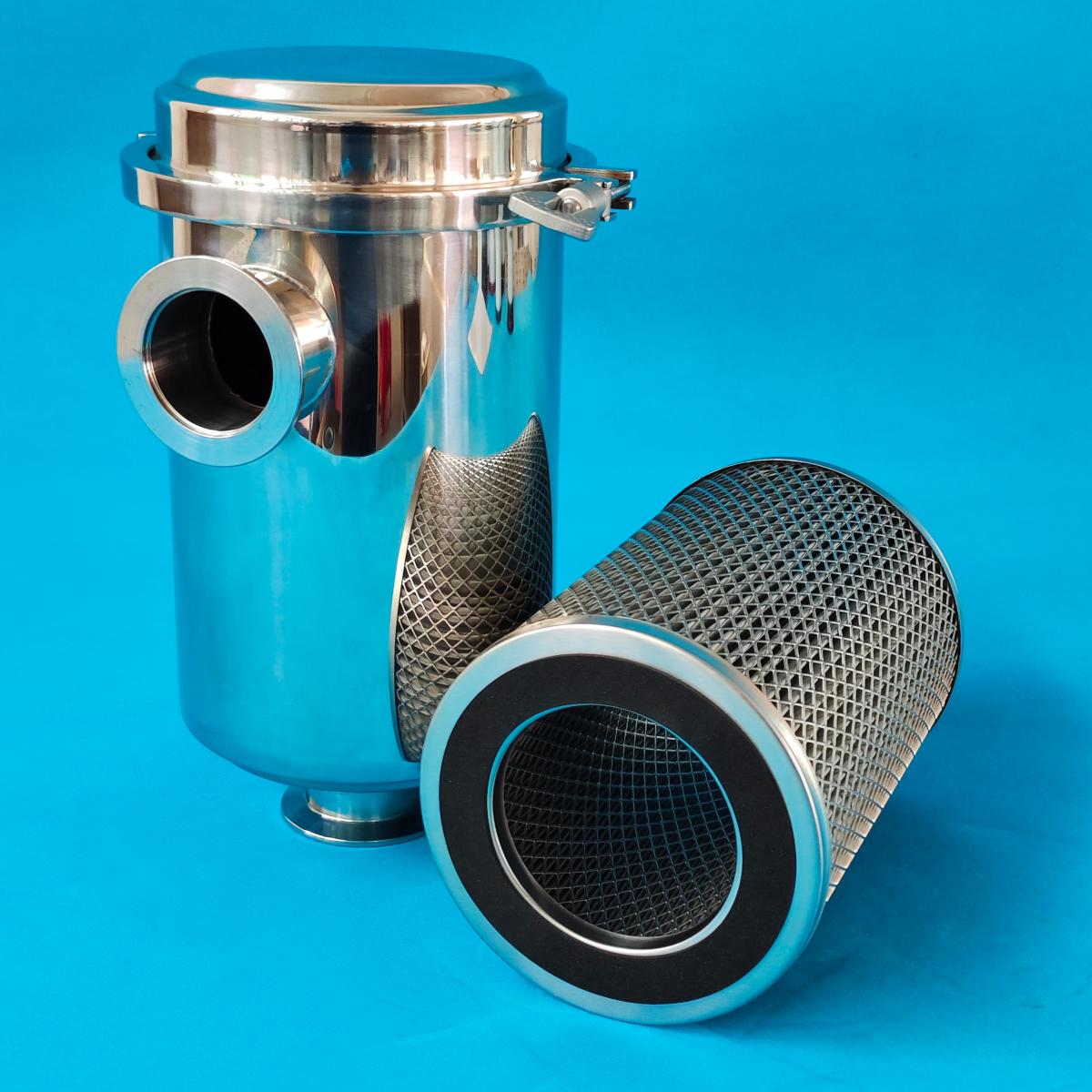
Stainless Steel Mesh Filters
Stainless steel filters are ideal for applications involving:
● High temperatures
● Oil mist exposure
● Chemical environments
● Washable filtration systems
Their reusable nature can reduce long-term operating costs.
Key Performance Factors That Influence Filter Selection
Choosing an inlet filter requires more than matching dimensions.
Several technical parameters directly impact system performance.
Filtration Efficiency
Generally, filters are required to achieve a filtration efficiency of 90% to 99% for impurities of a specific size—for instance, 99% efficiency for 5μm impurities. The appropriate filter material specifications must be selected based on the size of the impurities present in the operating conditions.
Airflow Capacity
A filter must allow sufficient airflow without creating excessive restriction.
An undersized filter can cause:
● Reduced pump efficiency
● Increased energy consumption
● Higher operating temperatures
Balancing filtration efficiency with airflow performance is essential.
Pressure Drop
Pressure drop refers to the resistance created by the filter.
Lower pressure drop generally results in:
● Better energy efficiency
● Improved vacuum performance
● Reduced operating costs
Engineers should evaluate pressure drop throughout the filter’s service life, not just when new.
Service Life
Filter replacement frequency directly impacts maintenance costs.
Longer-lasting filters help reduce:
● Downtime
● Replacement expenses
● Labor requirements
This is especially important in large-scale industrial operations.
Evaluating Application Requirements Before Filter Selection
The operating environment plays a major role in determining the most appropriate filtration solution.
Clean Manufacturing Environments
Applications such as electronics manufacturing often require:
● Fine particle filtration
● Stable airflow
● High reliability
Filter performance directly affects product quality.
Dust-Intensive Operations
Industries such as woodworking, cement processing, and powder handling generate significant airborne contaminants.
These environments typically require:
● Larger filter surface areas
● Higher dust holding capacity
● Durable filter media
Chemical Processing Applications
Chemical industries may expose filters to:
● Corrosive vapors
● Moisture
● Aggressive particles
Material compatibility becomes a critical selection factor.
A Practical Framework for Selecting the Right Inlet Filter
Although every application is unique, successful filter selection typically follows a logical evaluation process.
Assess the Contaminant Profile
Understanding what needs to be filtered is the starting point.
Important considerations include:
● Particle size
● Dust concentration
● Moisture content
● Chemical exposure
Different contaminants require different filtration strategies.
Match Filtration Performance to System Requirements
Not every application requires ultra-fine filtration.
Over-specifying a filter can create unnecessary airflow restrictions and increase costs.
The goal is to balance:
● Protection
● Efficiency
● Operating cost
Consider Environmental Conditions
Temperature, humidity, and operating conditions significantly affect filter performance.
Factors include:
● Indoor vs outdoor installation
● Continuous vs intermittent operation
● Exposure to water or chemicals
Evaluate Maintenance Expectations
Some facilities prioritize maximum protection, while others prioritize reduced maintenance.
Filter selection should align with operational goals.
Industry Demand Snapshot
The growing use of vacuum technology is driving demand for advanced filtration solutions.
Primary Drivers Behind Vacuum Filter Purchasing Decisions
|
Selection Factor |
Importance |
|
Filtration Efficiency |
32% |
|
Service Life |
24% |
|
Airflow Performance |
18% |
|
Chemical Resistance |
14% |
|
Cost Efficiency |
12% |
The data indicates that long-term protection and reliability remain the top priorities for industrial buyers.
Why Customization Is Becoming Increasingly Important
Modern vacuum systems often require customized filtration solutions.
Standard filters may not always meet application-specific requirements.
Common customization options include:
● Custom dimensions
● Special filter media
● Corrosion-resistant housings
● High-temperature designs
● OEM branding
● Application-specific performance optimization
For many equipment manufacturers, custom filtration has become a competitive advantage.
How a Reliable Filter Supplier Creates Long-Term Value
Selecting the right supplier is just as important as selecting the right filter.
An experienced filtration partner can provide:
● Technical consultation
● Product customization
● Performance testing
● Quality assurance
● Stable supply chains
Manufacturers increasingly seek suppliers capable of supporting long-term equipment development rather than simply supplying replacement parts.
Companies specializing in vacuum filtration solutions, such as LVGE Filters, help customers improve equipment reliability through application-specific filtration technologies and engineering support.
Conclusion
A vacuum pump inlet filter is far more than a simple accessory. It is a critical component that directly influences vacuum system performance, energy efficiency, equipment lifespan, and maintenance costs.
Successful filter selection requires a comprehensive understanding of contaminants, airflow requirements, filtration efficiency, environmental conditions, and maintenance objectives. By evaluating these factors carefully, engineers and purchasing professionals can choose filtration solutions that provide long-term protection and operational reliability.
As vacuum systems become more advanced and industry requirements continue to evolve, high-performance inlet filtration will remain an essential element of efficient and dependable vacuum pump operation.
FAQ
What is the purpose of a vacuum pump inlet filter?
A vacuum pump inlet filter prevents dust, particles, moisture, and contaminants from entering the pump, helping protect internal components and maintain system performance.
How often should a vacuum pump inlet filter be replaced?
Replacement intervals depend on operating conditions, contamination levels, and filter type. Regular inspections are recommended to determine the optimal replacement schedule.
What happens if an inlet filter becomes clogged?
A clogged filter can increase pressure drop, reduce airflow, decrease pump efficiency, and potentially cause overheating or equipment damage.
Which filter media is best for industrial vacuum pumps?
The best filter media depends on the application. Common options include paper, polyester, synthetic fibers, and stainless steel mesh.
Can vacuum pump inlet filters be customized?
Yes. Many manufacturers offer customized dimensions, filtration ratings, materials, and housing configurations to meet specific operational requirements.
Why is airflow performance important when selecting a filter?
A filter must provide sufficient contaminant removal while maintaining adequate airflow. Excessive restriction can negatively affect vacuum pump performance and energy efficiency.
Post time: Jun-08-2026


