

Selecting a vacuum pump silencer does not have to be complicated. The main purpose of a silencer is to reduce the exhaust noise generated during vacuum pump operation without negatively affecting the pump’s performance. However, many users focus too much on noise reduction itself and ignore how the silencer may influence airflow and operating efficiency. An improperly selected silencer can create excessive back pressure, causing reduced pumping speed, increased power consumption, and additional load on the vacuum pump. A good vacuum pump silencer should achieve a balance between effective noise control and smooth system operation.
Vacuum Pump Silencer Selection Starts with Pump Parameters
The first step in vacuum pump silencer selection is understanding the vacuum pump itself. Important information such as exhaust flow rate, exhaust pressure, and connection size must be confirmed before choosing any silencer. These parameters directly determine whether the silencer can operate properly with the vacuum pump. If the specifications do not match, the silencer may restrict airflow or fail to provide stable operation.
Another important factor is the type of noise produced by the vacuum pump. Vacuum pump noise is not always the same. In most industrial applications, it can be divided into high-frequency noise, low-frequency noise, or a combination of both. Different silencer structures are designed to target different noise characteristics.
Resistive silencers are commonly used for medium- and high-frequency noise reduction. They rely on sound-absorbing materials to weaken sound waves and are suitable for applications where sharp or high-pitched exhaust noise is the main problem. Reactive silencers, on the other hand, are more effective for low-frequency noise. They use specially designed chambers and internal structures to reflect and cancel sound waves. For vacuum systems that generate mixed-frequency noise, impedance composite silencers are usually the most practical solution because they combine the advantages of both resistive and reactive designs.
In many cases, users may not clearly know the exact noise frequency range of their vacuum pump. Under such conditions, selecting an impedance composite silencer is often the safest choice because of its wider adaptability and more balanced noise reduction performance.

Vacuum Pump Silencer Selection Must Consider Back Pressure
One of the most overlooked factors in vacuum pump silencer selection is back pressure. Back pressure refers to the resistance encountered when exhaust gas passes through the silencer. If the airflow resistance inside the silencer is too high, the vacuum pump has to work harder to discharge gas, which can negatively affect overall system performance.
Excessive back pressure may lead to slower pumping speed, increased operating temperature, higher energy consumption, and additional wear on the vacuum pump. Over time, this can reduce equipment efficiency and shorten service life. This is why choosing a silencer purely based on noise reduction performance can be risky. A product with excellent noise reduction but poor airflow design may create more problems than benefits.
To avoid this issue, users should prioritize silencers designed with low airflow resistance and smooth internal gas channels. The ideal vacuum pump silencer should reduce noise while maintaining stable airflow and minimizing pressure loss. In practical industrial applications, maintaining vacuum pump efficiency is often more important than pursuing the absolute lowest noise level.
Material selection is also important. In industrial environments with moisture, oil mist, or corrosive gases, the silencer housing and internal structure should have sufficient durability and corrosion resistance. A poorly designed silencer may experience blockage, corrosion, or performance decline after long-term operation, resulting in higher maintenance costs and unstable vacuum system performance.

Vacuum Pump Silencer Selection Should Balance Noise and Efficiency
The best vacuum pump silencer is not simply the quietest one. A truly suitable silencer should provide effective noise reduction while ensuring that the vacuum pump can continue operating efficiently and reliably. This means users should consider multiple factors together, including noise characteristics, airflow resistance, pump specifications, installation conditions, and long-term operating stability.
In industrial vacuum systems, stable operation is always the priority. A properly selected silencer can improve the working environment, reduce noise pollution, and protect operator comfort without sacrificing pumping performance. On the other hand, choosing the wrong silencer may create unnecessary operating problems and increase overall system costs.
For users who are unsure about the correct silencer type, working with an experienced vacuum pump filtration and separation manufacturer can help simplify the selection process. Professional manufacturers can provide recommendations based on operating conditions, noise characteristics, and vacuum pump parameters to ensure better compatibility and long-term performance.
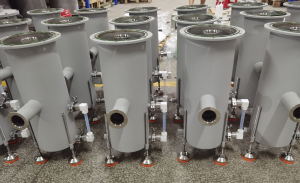
Dongguan LVGE Industrial Co., Ltd. specializes in vacuum pump filtration and separation solutions and has years of experience in the design and production of vacuum pump filters and related accessories. With a careful and rigorous approach to manufacturing, LVGE continues to provide reliable products for various industrial vacuum applications.
Post time: May-28-2026


